Airport plan puts Kidepo in spotlight
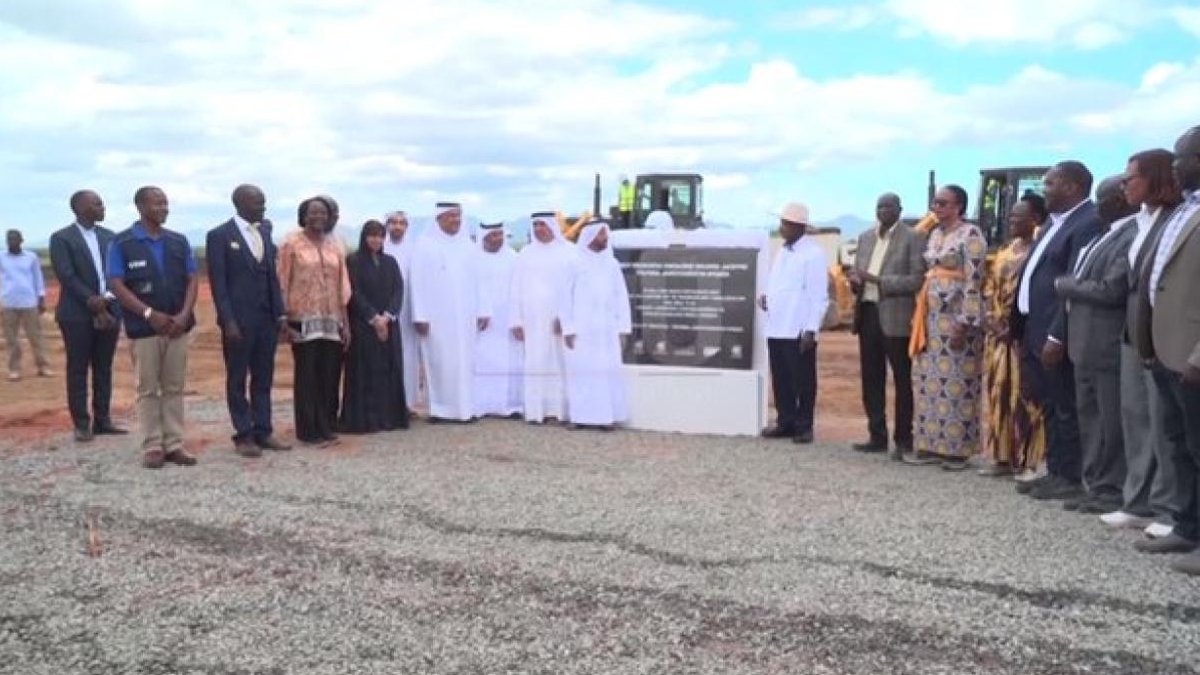
Construction has begun on Kidepo International Airport in Uganda’s Karamoja region – a project expected to improve access to Kidepo Valley National Park and reshape the area’s tourism economy.
Located in Lomej, near the park’s headquarters, the facility is being developed through a partnership between the government of Uganda and the Sharjah Chamber of Commerce and Industry in the United Arab Emirates.
A long drive gets shorter
“It is anticipated that the airport will boost tourism and accelerate development in Karamoja,” said Uganda’s President Yoweri Museveni at the sod-turning ceremony. “Karamoja has come a long way from the days of insecurity, cattle rustling and lawlessness. The restoration of peace has created the conditions for development.”
The park sits more than 500 kilometers from Kampala.
Related: Top Ten (10) Amazing Tourism Centers You Should Visit With Your Friends
Right now, visitors reach it by road on a journey that can take eight hours or longer, especially during the rainy season. The new airstrip cuts that travel time dramatically.
Uganda Civil Aviation Authority Deputy Director General Olive Birungi Lumonya said all regulatory, technical and environmental assessments were completed before construction started.
What the airport will look like
The development is planned as a Code 4E international facility designed for wide-body aircraft such as the Boeing 777-200ER and 747, and Airbus A330 and A340. Future expansion to Code 4F is included in the plans, which would position it as one of the more advanced aviation facilities in the region.
Plans call for a 3,000-meter-long, 60-meter-wide runway capable of handling regional and international flights. Construction of 12.3 kilometers of access roads is already underway to support logistics and connectivity.
Officials say careful planning was necessary to balance development with conservation around the protected area, which is home to elephant, lion, giraffe, buffalo, cheetah, ostrich and more than 75 mammal species.
Related: Tips for Choosing the Best Private Wine Tours Margaret River
Tourism operators see opportunity
Tim Buhaburwa, chief executive officer of Zebra Safari Lodge-Kidepo, believes the project will open new doors for Uganda’s tourism industry. “Kidepo has always been a hidden gem. Conservation and tourism contribute significantly to GDP. This airport will greatly increase those returns,” he said. “This will bring increased revenues to Uganda Wildlife Authority through park fees, to government through taxes and to local communities through cultural visits, crafts and food supply chains.”
Tourism operators also expect safari costs to drop. Those trips have historically been expensive because of fuel consumption, vehicle maintenance and long travel distances.
Theo Vos, managing director of Kara-Tunga and the Kara-Tunga Foundation, has worked on tourism development in Karamoja for over a decade. He sees the airstrip as a way to connect the region into broader East African tourism circuits. “Currently, Karamoja is a trending destination. The only thing we are lacking is connectivity. Facilities will come with it,” Vos said. “With improved connectivity, we can develop regional tourism packages linking Uganda with Kenya, Rwanda and even Ethiopia. This airport will open international routes and create opportunities for multi-country safari experiences.”
Challenges remain on the ground
Stakeholders acknowledge significant hurdles. Chief among them is accessibility beyond the new airport, particularly on wet roads. “Half of the tourism circuit is now tarmacked and this airstrip sits in the middle of it,” Vos said. “The government still needs to complete road networks and ensure smooth connectivity.”
Related: Business aircraft charter: how executives save time on multi-city meetings
Other experts point to the limited number of accommodation facilities. Kidepo currently has fewer lodging options compared to other major safari destinations in East Africa.
There are also calls for stronger cultural tourism development, improved guide training, better wildlife viewing infrastructure, expanded digital connectivity and increased community participation in tourism enterprises.
Conservationists caution that development must not compromise Kidepo’s ecological value. They argue that the park’s strength lies in its remoteness, low visitor density and untouched wilderness character.
Despite these concerns, optimism about the facility’s potential remains high. “Kidepo is one of the most scenic safari parks in Africa,” Vos said. “It offers something rare – untouched wilderness, rich wildlife and authentic cultural experiences. With the right investment, it can become one of Uganda’s leading tourism destinations.”


